
Our Work
Projects
Current Projects

LINKD
LINKD
For many people with diabetes, the hardest part of managing the disease has little to do with medication. Trouble affording food, unstable housing, unreliable transportation, isolation, and high out-of-pocket costs of care make it harder to keep blood sugar under control. The study will examine how certain tools, resources, and types of support relate to diabetes management and overall well-being. What we learn may help inform future programs for people living with diabetes.
Past Projects

CareAvenue Program to address Unmet Resource Needs
An intervention to address unmet social and economic needs among people with diabetes
We developed CareAvenue, to 1) systematically screen for both health-related and unmet social and economic needs contributing to cost-related nonadherence; 2) provide links to locally available resources to address patients’ needs; and 3) create low-burden mechanisms to share information with providers so they can help refer patients to identified resources and follow up as necessary. In this study, we tested the effectiveness of CareAve on clinical outcomes and examined mediators and moderators of effectiveness among people with diabetes.
Pre-Visit Screening of Diabetes-Related Financial Burden
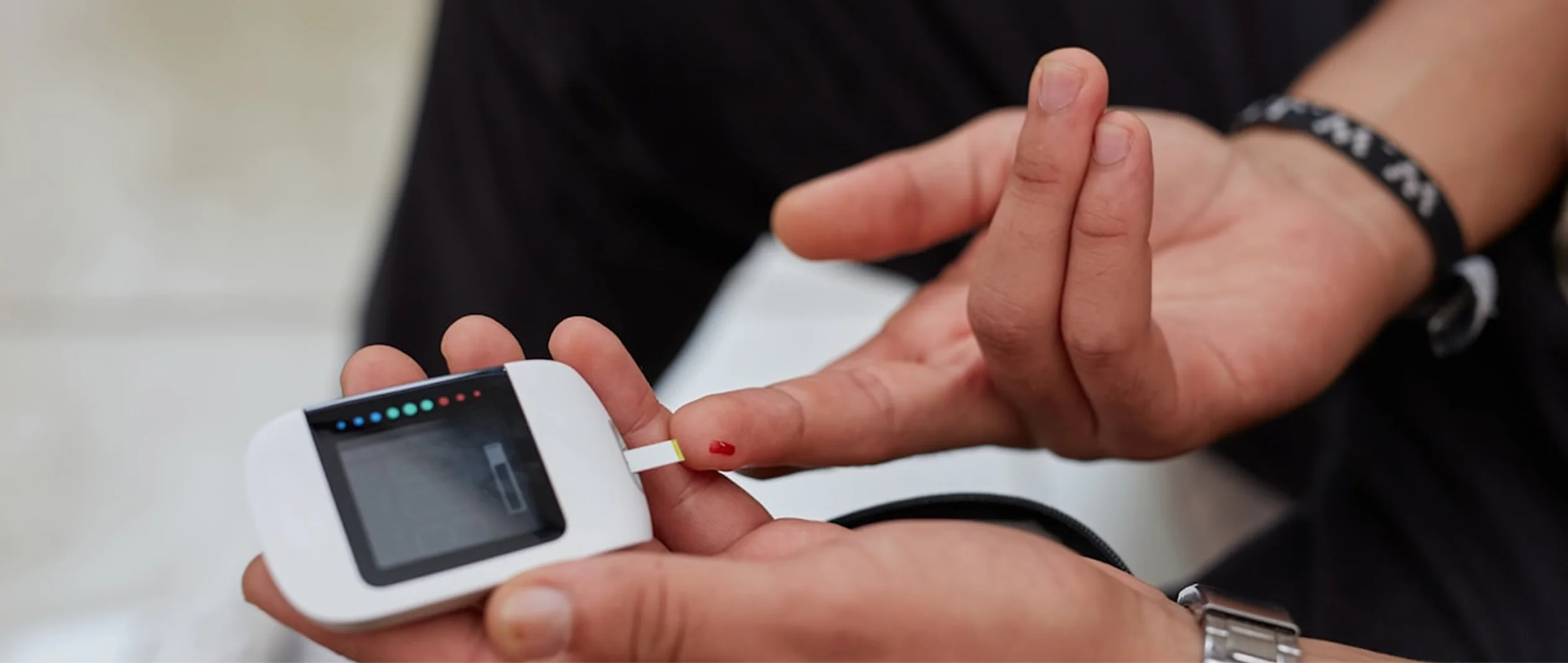
Feasibility of a tech-based screening tool to create solutions for financial concerns experiences by people with diabetes
This pilot study 1) developed an electronic pre-visit screening tool for patients with diabetes that subsequently tailors solutions for reducing financial concerns with diabetes therapeutic recommendations; 2) assessed feasibility, acceptability, and preliminary efficacy of the screening tool in clinics serving patients with diabetes.

Financial Burden and Cost-Related Communication in Chronic Disease Management
Perception of financial burden and communication with providers among people with asthma
The major goal of this project was to describe characteristics of individuals with asthma who perceive financial burden with managing their condition, and relationships between communicating about cost concerns and self-management behaviors.

A Partnership Approach to Enhance Healthcare Literacy: Insuring Good Health
An intervention to support health insurance navigation in historically marginalized communities
This community-based participatory research (CBPR) project developed Insuring Good Health- a website and video series designed to improve engagement with health insurance and Affordable Care Act reforms. We conducted a lagged-control cluster randomized controlled trial to evaluate Insuring Good Health with racially and ethnically diverse adults seeking services in medically underserved areas within the Detroit, Michigan metropolitan area.
Training Clinicians to Maintain Patient-Centered Communication with Electronic Health Records During Clinic Visits
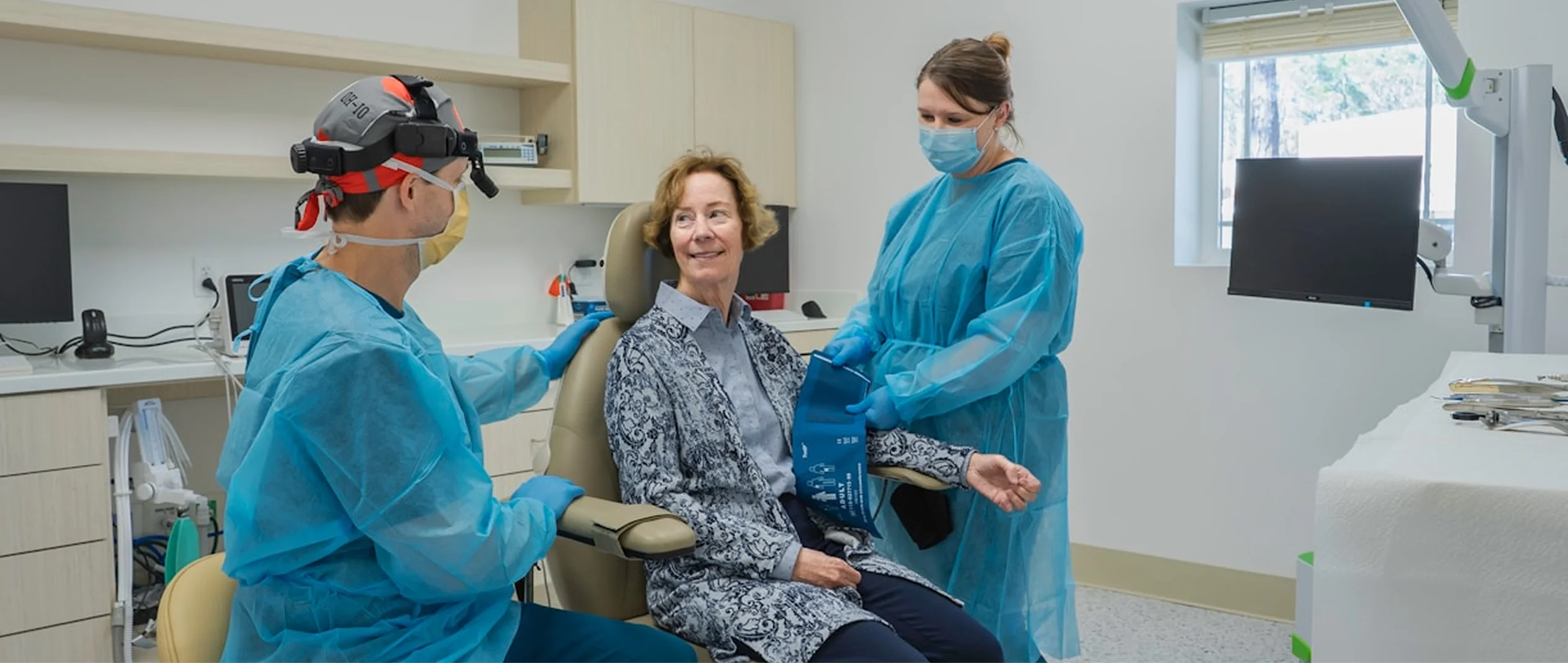
An intervention for patient-provider communication training in the context of health IT
The goal of this pilot study was to create an intervention that promoted the seamless integration of health IT applications, particularly electronic health records (EHR), in clinical settings by specifically training clinicians on best practices for utilizing such systems while maintaining patient-centered communication and enhancing therapeutic practice.

Improving Interventions to Address Low-Uptake of Social Care Resources
Qualitative interviews to learn about individuals who do not engage with social care assistance
The aims of this project were to: 1) describe demographic, clinical and psychosocial characteristics of individuals who do and do not engage with offered social care assistance through either guided online self-navigation or in person/telephone assistance; and 2) understand motivators and barriers to engagement with and uptake of offered assistance through guided online self-navigator or in-person/telephone assistance. The goal was for this study to provide information for improving future interventions to address low-uptake of social care resources.